Introduction to Reverse Mortgage Loans
Understanding Reverse Mortgage Loans
A Reverse Mortgage is a specialized home financing option that allows eligible homeowners to access a portion of their home’s equity while continuing to live in the property. Unlike a traditional mortgage, where the homeowner makes regular payments to reduce the loan balance, a reverse mortgage can allow qualified borrowers to receive funds without making traditional monthly principal and interest payments. The amount available depends on factors such as the homeowner’s age, property value, existing mortgage balance, and the specific reverse mortgage program. Dave Davis with Fairway Independent Mortgage can help homeowners understand how reverse mortgages work, what options may be available, and what responsibilities remain with the homeowner throughout the life of the loan.
How Reverse Mortgage Financing Works
A reverse mortgage converts a portion of the equity in an eligible home into available loan proceeds. Depending on the program and the borrower’s circumstances, funds may be structured in different ways to meet individual financial needs. The loan balance generally becomes due when the homeowner sells the property, permanently moves out, or another maturity event occurs under the loan terms. While traditional monthly principal and interest payments may not be required, homeowners must continue to meet important obligations, including paying property taxes and homeowners insurance, maintaining the property, and meeting occupancy requirements. Understanding these responsibilities is essential because a reverse mortgage is a long-term financial commitment that should be evaluated alongside the homeowner’s broader financial and housing plans.
Why Homeowners Consider a Reverse Mortgage
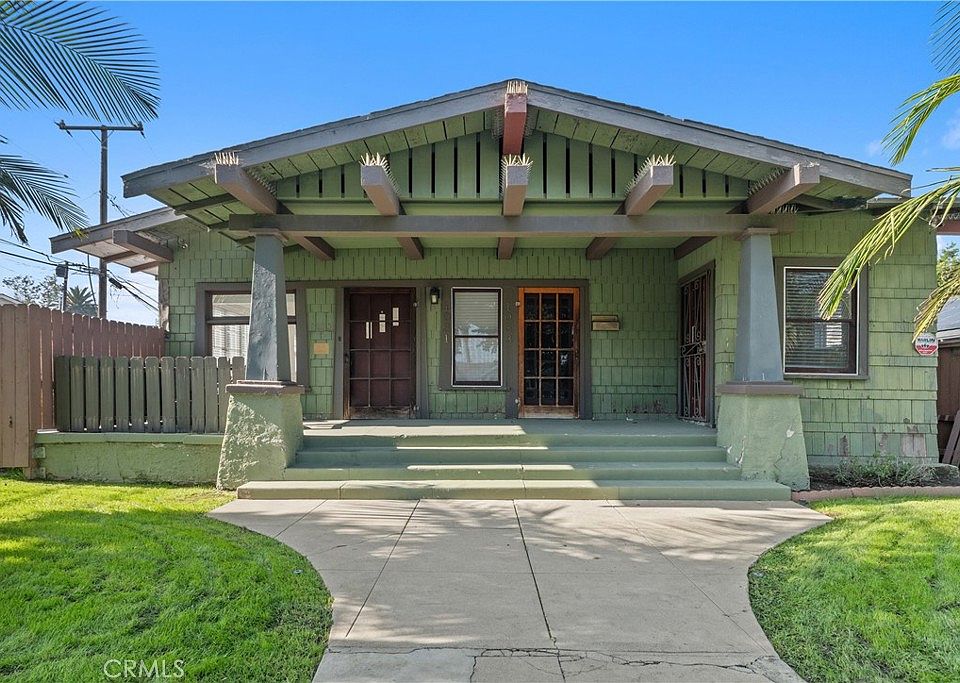
Homeowners may consider a Reverse Mortgage for several different financial reasons. Some may want to supplement retirement resources, while others may be interested in accessing home equity to address major expenses or improve monthly cash-flow flexibility. A reverse mortgage can allow qualified homeowners to remain in their home while using a portion of the equity they have accumulated over the years. The funds may provide additional flexibility depending on the program and applicable requirements. However, accessing home equity can reduce the equity remaining in the property over time and may affect future financial planning or the amount available to heirs. Reviewing both the potential advantages and long-term considerations is an important part of deciding whether a reverse mortgage is appropriate.
Understanding Your Responsibilities
Although a reverse mortgage can change how mortgage payments are structured, homeowners continue to have important financial and property-related responsibilities. The home generally must remain the borrower’s primary residence, and the homeowner must stay current on required property taxes, homeowners insurance, and necessary maintenance. Failure to meet these obligations can create serious consequences for the loan and the property. Homeowners should also understand the potential effect of the loan balance on future home equity and estate planning. By reviewing these responsibilities before closing, borrowers can develop a clearer understanding of what a reverse mortgage requires and determine whether it fits comfortably within their long-term financial plans.
Take the Next Step With Reverse Mortgage Guidance
Choosing a reverse mortgage begins with understanding the available programs, eligibility requirements, costs, payment options, and long-term responsibilities. Dave Davis with Fairway Independent Mortgage can help you explore the fundamentals of reverse mortgage financing and answer questions about how the process may apply to your specific circumstances. Whether you are simply researching your options or are ready to discuss accessing the equity in your home, having clear and accurate information can make the decision-making process easier. A personalized conversation can help you compare available reverse mortgage options and determine which approach may best support your financial and homeownership goals.